How Care Homes Build Independence for Seniors
For many people, one of the biggest concerns about moving into a care home is the thought of losing their independence. However, good care homes will support residents autonomy and choice in every way possible, keeping individuals at the centre of their own care. This holistic approach extends from decisions made about their own care, to smaller, everyday lifestyle preferences. In this blog, we’ll be delving into how care homes build routines around each resident and why maintaining independence is so important.
Independence in Health and Social Care
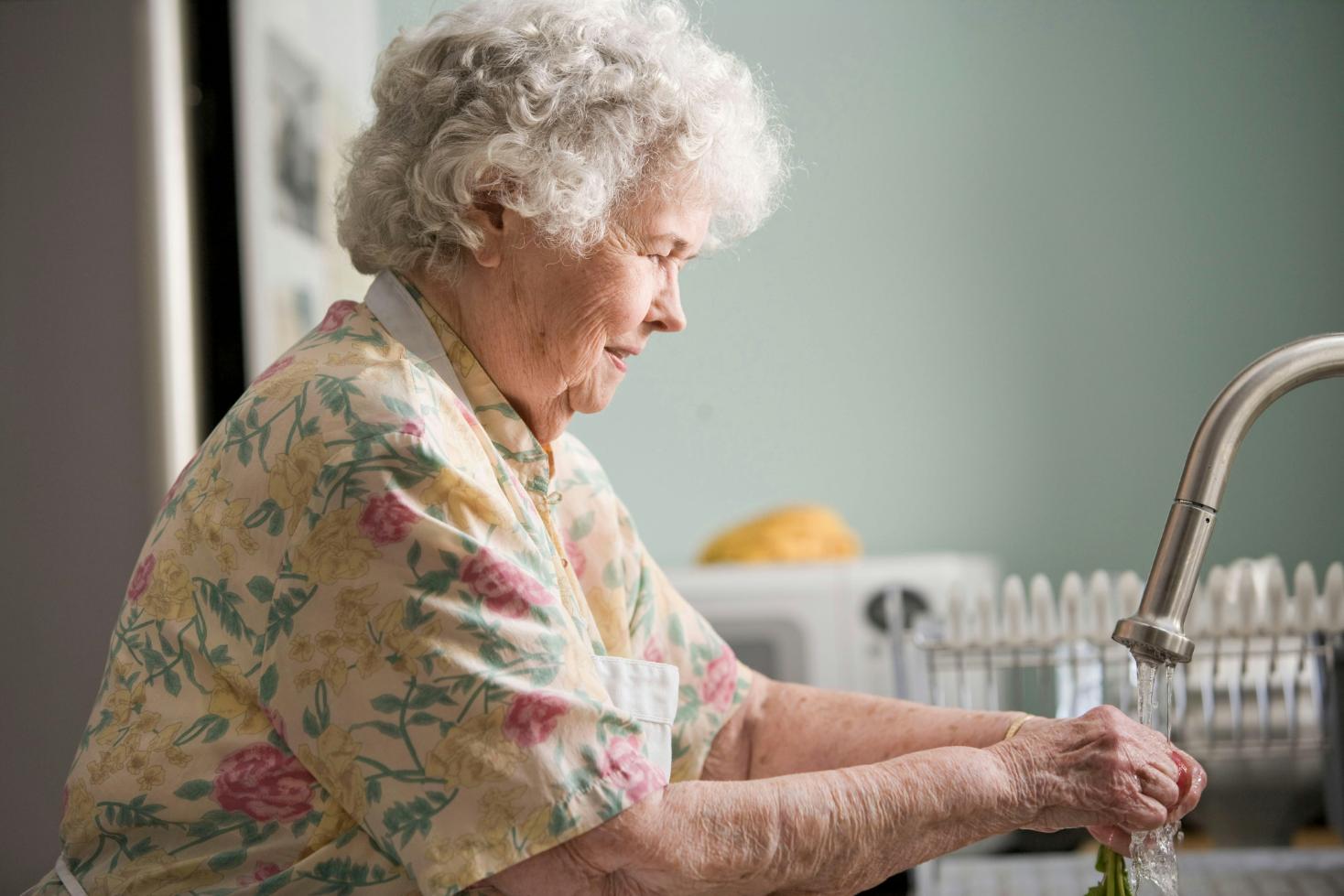
Prioritising routines and self-reliance in care homes enables individuals maintain both their physical abilities and their sense of identity. Encouraging residents to remain active and involved in their daily tasks can prevent the decline of essential skills such as fine motor skills, mobility, balance and critical thinking. Independence also supports dignity and self-esteem, as residents are likely to feel respected and valued when they are able to make choices and take part in their own care.
In addition, maintaining routines from home can make the transition into a care home much smoother. Familiar habits and activities reduce feelings of stress and anxiety, helping individuals feel more comfortable and secure in their new environment.
How Care Home Staff Encourage Indpendence
One of the main ways care homes support residents’ independence is by creating a safe and supportive environment where people feel confident doing as much as possible for themselves. Keeping a familiar routine is very important, staff often maintain the same time or order of daily activities for each resident such as washing, dressing, mealtimes and regular events like a book club or doctor’s appointments. This helps residents feel comfortable and in control of their day.
Another important way care homes support independence is by providing 24-hour on-call support from trained nurses. Knowing that professional help is always available gives residents the confidence to continue their daily routines, maintain their lifestyles and move around their home more freely. This reassurance helps people feel safe while still encouraging them to do things for themselves.
Importantly, good care staff understand that support should not take away a person’s independence. Skilled nurses will offer gentle prompts or assistance only when it is needed, rather than taking over tasks a resident can still manage mostly on their own. This careful balance between providing safety and encouraging independence helps residents feel supported, respected, and confident in their abilities.
Supporting Autonomy Though Care Home Design
The physical design of a care home, particularly purpose-built homes, can also make a big difference. Accessible bathrooms allow people to continue using them independently for as long as possible, while handrails throughout the building and wide, well-lit corridors free of clutter help prevent falls and tripping. These features allow residents to move between spaces safely and at their own pace. Other helpful features include chairs with armrests so people can lift themselves up more easily and profiling beds with remote controls that allow residents to adjust their position without needing help.
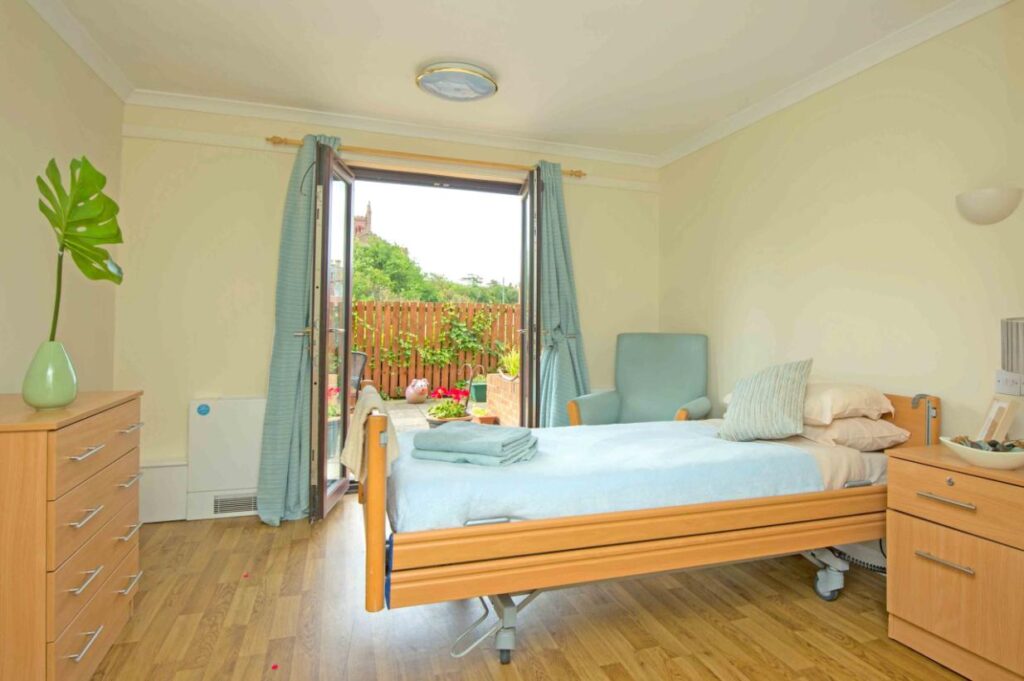

Many care homes also provide private gardens that are secure and easy to access, giving residents the freedom to spend time outdoors whenever they wish with little assistance. In addition, private transport helps residents stay connected with their community, enjoy a change of scenery, and reduce feelings of isolation, all while maintaining as much independence as possible.
Autonomy in dementia care
Promoting independence is especially important in dementia care, where a calm and familiar environment can make a meaningful difference to a person’s wellbeing. A consistent daily routine helps reduce confusion and anxiety, as changes or a lack of structure can sometimes make it harder for people with dementia to understand what is happening around them.
By supporting residents to take part in everyday activities and maintain familiar habits, care homes can also help encourage positive brain function and slow cognitive decline where possible. Creating a dementia-friendly environment is key to this, where staff treat residents with patience, respect, and understanding, helping them feel valued and capable.
Simple tools can also support independence, such as dementia clocks that clearly display the date, time, and whether it is day or night. Clear signage that includes symbols and words, as well as visible reminders and lists can also contribute to a dementia-friendly setting. These helpful cues allow residents to stay more aware of their surroundings and feel more confident navigating their daily routines.
Individuality in Health and Social Care
Celebrating individuality in health and social care is essential for supporting a person’s self-esteem, confidence, and overall wellbeing. When people are encouraged to express who they are and make choices about their daily lives, it can have a hugely positive impact on their mental health. In care homes, this can be supported in many simple but meaningful ways.
Residents are often encouraged to decorate their bedrooms with furniture and belongings that reflect their personal tastes, such as photos, decorations or treasured items from home, helping the space feel familiar and comforting. Individuals can also make choices about what to wear each day, what and where they would like to eat their meals or snacks, and when they prefer to wake up or go to bed.
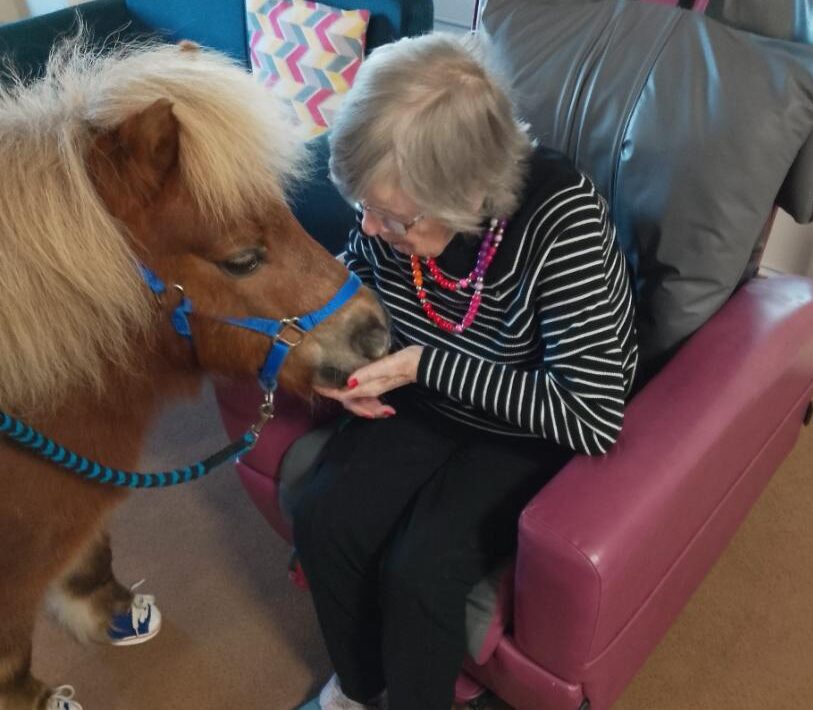
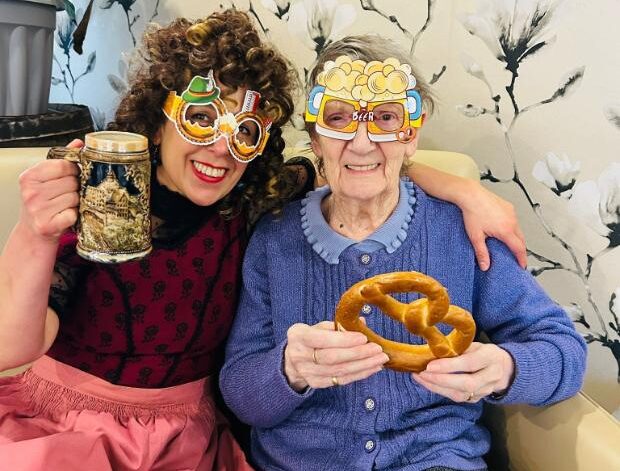
Maintaining hobbies and personal interests is another important part of preserving individuality. Activities coordinators in care homes take the time to get to know residents and organise activities and entertainment based on their preferences, so people can take part in things they truly enjoy. Staff are always nearby to offer help if needed, but they aim not to interfere unnecessarily, allowing residents of all abilities and skill levels to join in and enjoy activities in their own way. This supportive approach helps everyone feel respected, included, and valued as individuals.
Care Home in East Lothian
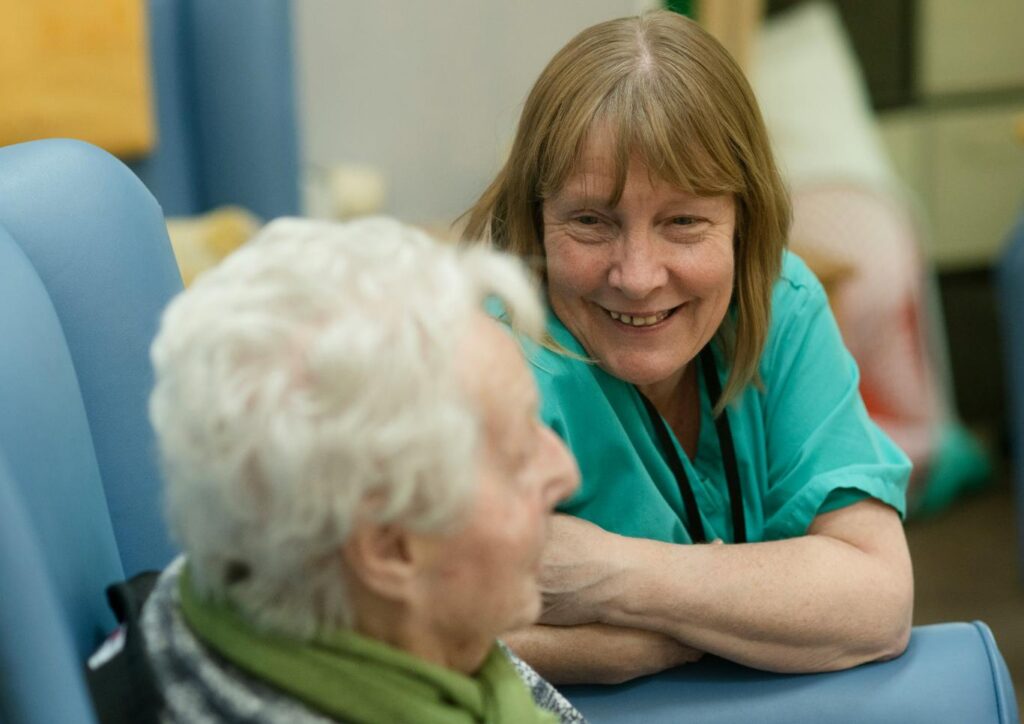
Here at Lammermuir House Care Home in Dunbar, we dedicated to promoting the autonomy and individuality of our residents. With our person-centred approach, we get to know every person in our home and celebrate what makes them unique while offering just the right amount of support.
Our bright, purpose-built home provides comprehensive residential, nursing, dementia and palliative care alongside luxury facilities and a vibrant activities and entertainment programme. Centred around kindness compassion and respect our compassionate team empowers residents to make their own choices about their care and everyday lives. If you’d like to learn more about Lammermuir Care Home, please get in touch with our friendly team today.