Moving Into A Care Home Guide

Moving Into A Care Home
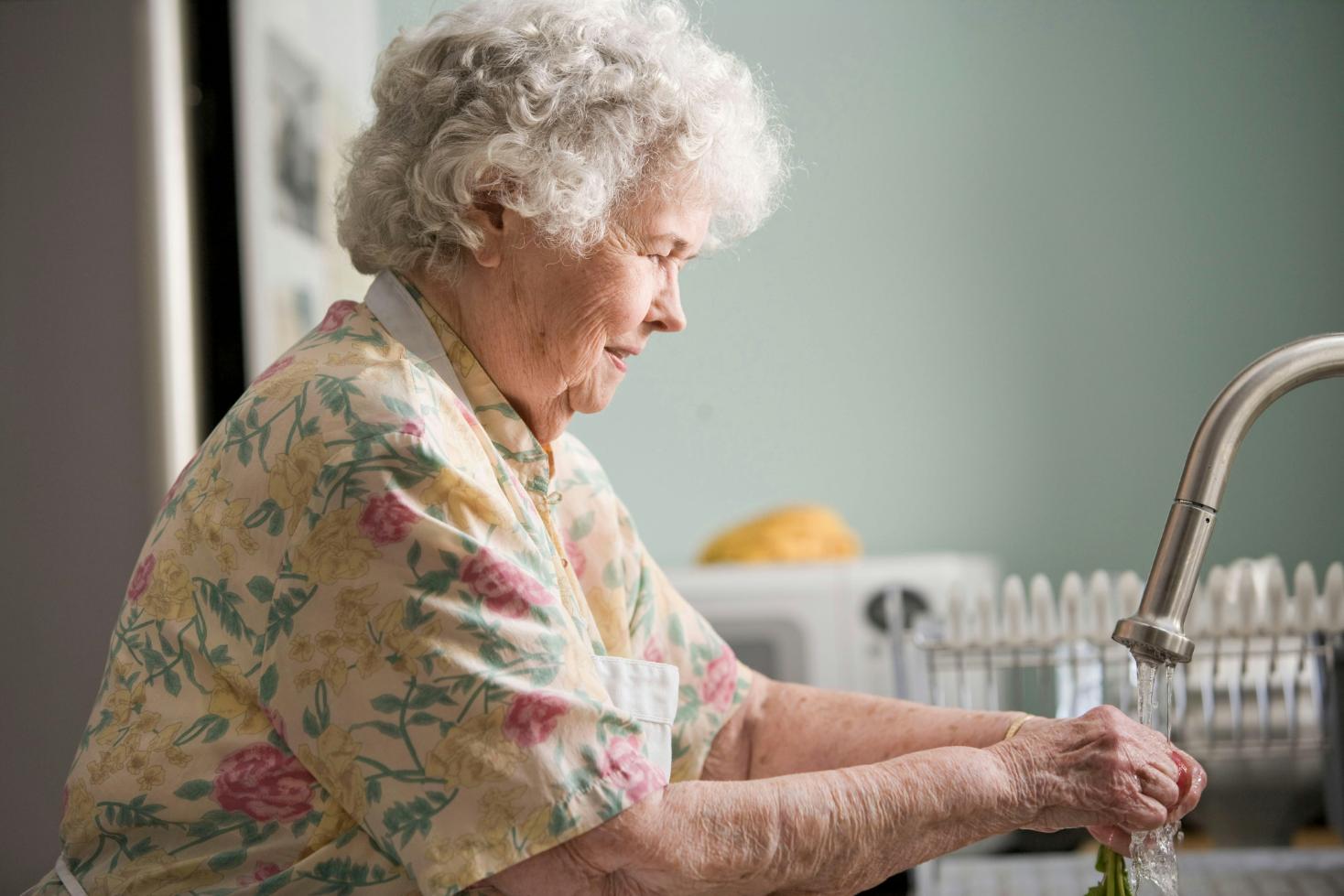
Moving yourself or someone you love into a care home is a major life decision, and it is completely normal for it to bring up mixed emotions. There can be huge relief in knowing that the right care and support will be available every day, but also understandable worries about leaving a familiar home and adapting to a new routine. A clear, reassuring guide can make this transition feel less overwhelming by explaining what to expect, what to organise, and how to see the move as a positive, forward‑looking step.
A Positive Step Towards Support
A care home is far more than a place where support is delivered; it becomes a new home where comfort, companionship, and personalised care all come together. Instead of struggling to manage at home, you or your loved one can benefit from tailored residential or nursing care, with professional staff available around the clock and ready to help whenever needed. In this setting, residents can enjoy a balance of privacy in their own rooms and the option to take part in social activities, shared mealtimes, and gentle daily routines that enhance quality of life.
Care homes like Lammermuir House are designed to feel warm, welcoming, and homely. Bedrooms and communal lounges are comfortably furnished, while features such as a hair salon, peaceful gardens, and dedicated activity areas help residents feel settled and maintain their sense of self. Many people who feel unsure at first about leaving their own house later find that, once they have adjusted, they appreciate the friendly community, the sense of safety, and the thought that goes into making day‑to‑day life enjoyable.
Preparing In Advance
Good preparation is one of the most effective ways to make moving into a care home smoother and less stressful. Planning ahead allows everyone involved to understand what is happening, feel informed, and avoid last‑minute rushing that can add to anxiety. It helps to start by researching different homes, arranging visits, and spending time talking to staff so you can learn how they work, what care they can provide, and how they support new residents to settle in. Seeing the bedrooms, dining areas, and gardens, and perhaps staying for a drink or a meal, can give you a real sense of whether the home feels right.
It is also wise to involve the right people in your planning. Healthcare professionals such as your GP, hospital team, or specialist nurses can help clarify whether residential or nursing care is most appropriate. Your local council can explain what assessments and financial support may be available, and family members or close friends can offer practical help and emotional reassurance. When everyone understands the reasons for the move and has had a chance to ask questions, the decision tends to feel more considered and less like a sudden change.
Practical Arrangements Before The Move
As moving day approaches, attention naturally turns to the practical tasks that need to be completed. One key step is letting important organisations know about the change of address and circumstances so that letters, payments, and services continue smoothly. This might include your local council, your GP and dentist, pension and benefits providers, banks, and any companies that supply utilities or subscriptions. Keeping a simple written list of who needs to be informed and working through it steadily can make this stage feel manageable rather than overwhelming.
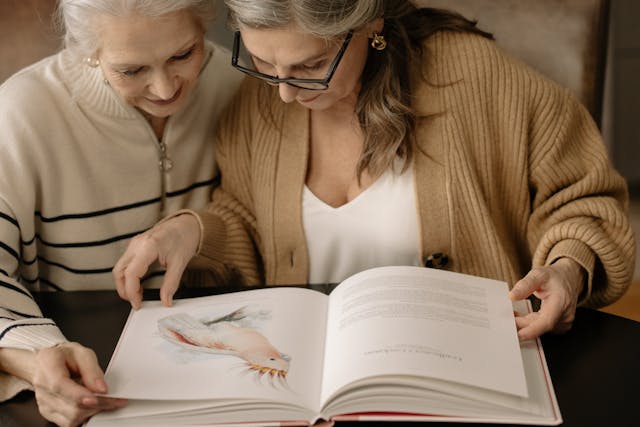
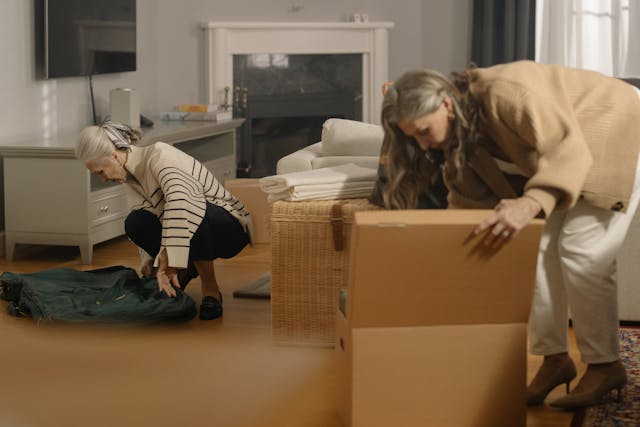
Packing for a move into a care home is about creating a new space that feels familiar and comfortable, not about taking everything from the old home. Everyday clothes, nightwear, comfortable footwear, and outdoor clothing will all be needed, along with toiletries and any preferred personal care items. It helps to include special belongings such as photographs, ornaments, favourite cushions, or a well‑loved blanket, because these small touches can transform a new room into a personal, reassuring place. Where a home’s policy allows, bringing a favourite chair or a small piece of furniture can add further comfort and continuity.
Health, Medication & Moving Day
Making sure health and medication are fully organised is another essential part of the process. Before the move, it is helpful to provide the care home with clear information about medical history, current conditions, and all regular medications, including dosages and times. A simple written list makes it easier for staff to arrange safe systems for ordering, storing, and administering medication. Letting the home know about upcoming appointments with dentists, opticians, or hospital clinics means they can support continued attendance or help arrange visits where appropriate.
On the day of the move itself, a calm, simple plan can make a big difference. Most packing should ideally be completed in advance, leaving only essentials to gather on the morning of the move. Transport for both the person and their belongings should be arranged and confirmed ahead of time, and it is very helpful if a trusted relative or friend can accompany the person to the care home. Having someone familiar there to share the journey, help unpack key items such as clothes, toiletries, and personal mementoes, and stay for a little while can make the whole experience feel less daunting.
Settling Into Daily Life & Emotions
Arriving at the care home marks the beginning of a new phase, and it is perfectly normal for this to take some getting used to. Staff will typically welcome the new resident, show them their room and the main communal areas, and begin to introduce them to other residents and members of the team. In the early days, there is time to talk through daily routines, preferences, and any worries, so that the care plan can be adjusted to suit individual needs and habits. Simple things like choosing when to get up, what kind of meals are preferred, or how someone likes to spend their afternoons can all help them feel more in control.
Emotionally, the move may bring sadness, relief, uncertainty, or a mixture of all three, both for the person moving in and for their family. Recognising that these feelings are normal and giving space to talk about them can be very helpful. Bringing familiar belongings, displaying photographs, and keeping up meaningful routines such as regular phone calls or visits from loved ones can all support a gentler transition. It is also important to allow time: settling in is rarely instant, but as days and weeks pass, many residents find that the combination of support, company, and structure helps them feel more secure and content.

Care Home in East Lothian
If you are beginning to think about moving into a care home for yourself or someone you care about, taking the next step can be as simple as starting a conversation. The team at Lammermuir House is here to answer questions, offer guidance, and show you what life in the home is really like. Get in touch today to arrange a friendly chat or to book a visit, and discover how Lammermuir House can help make this new chapter one of comfort, security, and genuine peace of mind.