Spotting a Dementia-Friendly Care Home: Key Features to Check
Choosing the right care home for a loved one with dementia can feel overwhelming, but knowing what to look for can make the decision easier. Great dementia care focuses on safety, comfort and emotional wellbeing through a combination of careful design, lifestyle choice and expert care. This guide highlights the key aspects to look for when visiting a care home that prove a dementia-friendly approach has been taken.
Dementia Friendly Environment
At the heart of any dementia-friendly care home is the way residents are treated each day. Compassionate, patient and empathetic staff make all the difference, ensuring that every individual is supported with genuine understanding and always treated with the utmost respect. This approach helps preserve not only dignity but also a sense of independence.
Rather than focusing solely on a diagnosis, truly effective care places the person first; recognising their life story, preferences and interests and weaving these into daily routines. Well-trained staff, who understand the wide range of dementia symptoms and how they can affect each individual differently, are better equipped to respond calmly and appropriately, creating a reassuring and supportive environment where residents feel safe, valued and truly seen.
Colours & Patterns
Thoughtful use of colour and pattern can play a powerful role in creating a calm, supportive environment for people living with dementia. Simple design choices, such as using contrasting colours, can make everyday spaces much easier to navigate. For example, painting a door or doorframe in a different shade from the surrounding wall helps it stand out and become more recognisable.
As dementia progresses, it can become harder to distinguish between similar tones, so ensuring that furniture contrasts with the floor can reduce disorientation and help prevent accidents. In dining areas, serving food on darker plates can make meals more visible and appealing, while in bathrooms, features like contrasting toilet seats and handrails provide clear visual cues that support independence.
It’s equally important to avoid colours that could be misleading, such as greens that might be perceived as grass, blues that resemble water or dark mats that could appear as holes in the floor.
Keeping patterns subtle and minimal also helps to prevent confusion or sensory overload, while clearly marking any glass doors ensures they are safely noticed. Altogether, these gentle adjustments create a more reassuring and accessible environment where residents can move around with greater confidence and ease.

Signage and Labels
Clear and thoughtfully designed signage can make a meaningful difference in helping people living with dementia feel more confident and independent in their surroundings. Placing signs on doors, cupboards and drawers allows residents to navigate spaces more easily on their own, supporting both dignity and reassurance in daily life.
For signage to be most effective, it should use consistent, high-contrast colours and be positioned at a visible, easy-to-read height, so residents quickly learn what to look for. Simple additions, such as a clear photo or symbol of a toilet placed directly on a bathroom door rather than beside it, can significantly reduce confusion.
Including “way out” signs on the back of doors, particularly in spaces like bathrooms, also helps ensure that exits remain obvious and easy to find. Because dementia can affect cognitive function in different ways, combining clear words with straightforward, unambiguous images provides the best support, recognising that some individuals may find reading more difficult, while others respond better to visual cues. These small but thoughtful details help create an environment that feels intuitive, safe, and empowering.
Calm and Quiet Spaces
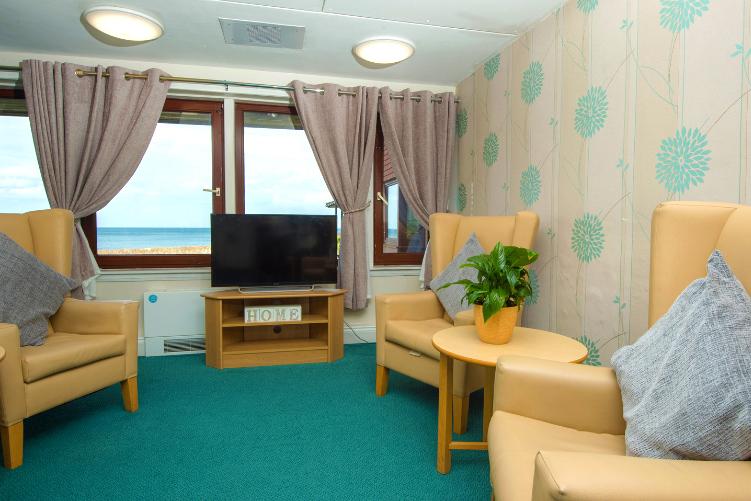
Calm and quiet spaces are an important part of creating a reassuring care environment, as loud or echoing noise can often feel overwhelming or distressing. By providing designated low-noise areas, care homes offer residents a peaceful retreat from the busier parts of daily life, helping to ease anxiety and support relaxation.
Curtains, carpets and cushions can help absorb sound and reduce echoes, while suitable flooring choices can further minimise background noise throughout the home. Limiting unnecessary noise from televisions or radios also contributes to a more soothing atmosphere. Most importantly, residents should always be free to use these spaces whenever they feel the need for a quiet moment, giving them a sense of control and comfort in their surroundings.
Dementia-Friendly Technology
Assistive technology can play a gentle yet valuable role in supporting people living with dementia, helping to make everyday tasks feel more manageable and familiar. Devices such as easy-to-use phones with large buttons and photo contacts, as well as memory clocks with clear LED displays and helpful reminders, can provide reassurance and promote a sense of independence.
Safety-focused tools like falls alarms and GPS-enabled items may also be used where appropriate, although the round-the-clock support available in a care home often reduces the need for more complex monitoring.
Alongside these technologies, simple and practical adaptations can make a meaningful difference to daily comfort. These can include things like easy-grip cutlery, clearly placed whiteboard reminders and supportive equipment like profiling beds or turning seats for safely getting into cars or care home transportation.
When thoughtfully introduced, these solutions blend seamlessly into care, creating an environment that feels supportive, enabling and reassuring without ever feeling overwhelming.
Dementia Design Features
Lighting
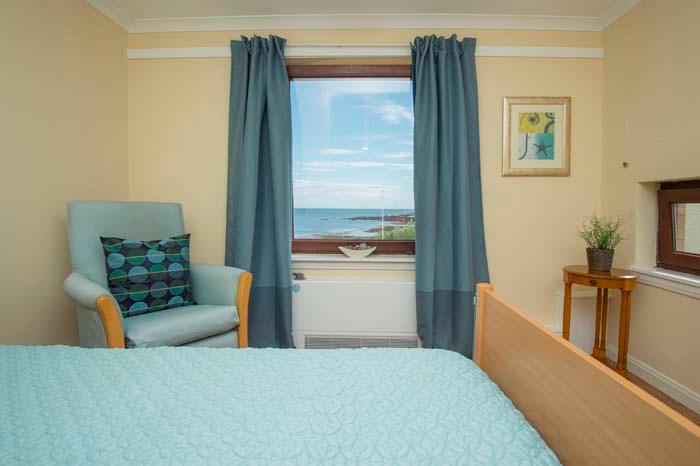
Lighting plays an important role in creating a calm and comfortable environment for people living with dementia. Spaces should be well lit using soft, diffused lighting that avoids harsh brightness, helping to reduce glare and unwanted reflections. Making the most of natural light during the day can lift mood and support a sense of normality and routine, while carefully managed artificial lighting helps maintain a relaxed atmosphere.
Very bright lights and strong shadows can sometimes be unsettling or confusing, particularly for those who may experience visual misperceptions, so a gentle and even approach to lighting is key. Thoughtful lighting can also support healthy sleep-wake patterns, with dimmer lighting in the evening helping the body to wind down. Closing curtains at sunset further reduces reflections and can help minimise restlessness later in the day, sometimes called sundowning, creating a more soothing and reassuring space overall.
Outdoor spaces
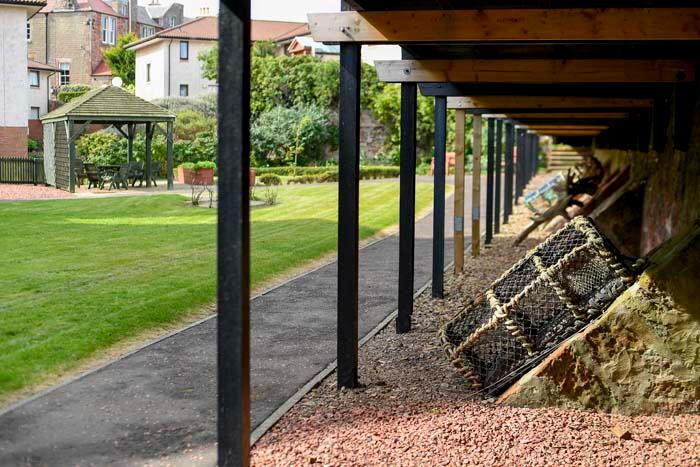
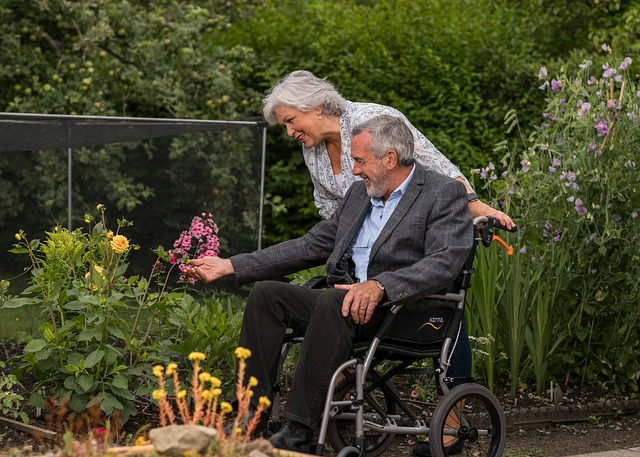
Outdoor spaces can offer meaningful benefits for people living with dementia, supporting both wellbeing and enjoyment through fresh air, natural light and gentle physical activity. When thoughtfully designed and fully secure, gardens provide a safe and welcoming place for residents to explore at their own pace.
Features such as level, well-maintained pathways and secure boundaries help create a sense of freedom while ensuring safety, allowing individuals to move around with confidence. Adding elements like raised flower beds also makes gardening more accessible for those with mobility needs, encouraging participation in familiar and fulfilling activities. With the right balance of safety and accessibility, outdoor areas become calm, uplifting spaces that nurture both body and mind.
Memory Care Design
Memory care design focuses on creating environments that feel familiar, comforting and emotionally safe for people living with dementia. Small, thoughtful details can make a significant difference, for example, using curtains to cover mirrors in spaces like hair salons allows residents to enjoy a relaxing pamper without the potential distress of not recognising their own reflection.
Personal touches are equally important, with photographs of loved ones and meaningful moments displayed in resident's private bedrooms to encourage positive reminiscence and a sense of identity. These gentle design choices help create a space that feels reassuring, personal and supportive of each individual’s emotional wellbeing.
Wide, Uncluttered Spaces
Creating wide, uncluttered and safe spaces is essential in supporting people living with dementia to move around with confidence and ease. Corridors should be spacious enough to accommodate wheelchairs and allow residents to pass comfortably, while all walkways are kept clear of clutter to reduce the risk of trips and falls.
Avoiding rugs and mats is particularly important, as darker tones can sometimes be perceived as holes in the floor, while other colours may appear as obstacles that need to be stepped over. Consistent, non-slip flooring helps provide stability and using contrasting colours between walls and floors makes it easier to distinguish boundaries within a room. Sudden changes in flooring colour or highly polished surfaces can also be confusing, sometimes appearing as steps or wet areas, so a smooth, matte finish is often more reassuring.
Handrails placed in key areas such as corridors, stairways and bathrooms offer additional support, and when designed in a contrasting colour, they are easier to identify and use. Altogether, these thoughtful design choices create a safer, more accessible environment that encourages independence while offering peace of mind.
Dementia-Friendly Activities
Activities are a vital part of daily life in a care home, offering opportunities for enjoyment, connection, and a sense of purpose. These dementia-friendly activities are thoughtfully designed to be accessible and adaptable, ensuring that people of all abilities can take part in a way that feels comfortable and rewarding.
For residents living with dementia, creative sessions, such as art and crafts, can help support cognitive function while also building confidence and providing a valuable non-verbal way to express thoughts and emotions. Music, in particular, has a powerful impact, often bringing comfort, sparking recognition and encouraging positive emotional and behavioural responses.
Reminiscence activities, whether linked to familiar seasonal events, meaningful objects, or well-loved songs, can gently reconnect residents with happy memories, offering reassurance and helping to ease low mood.

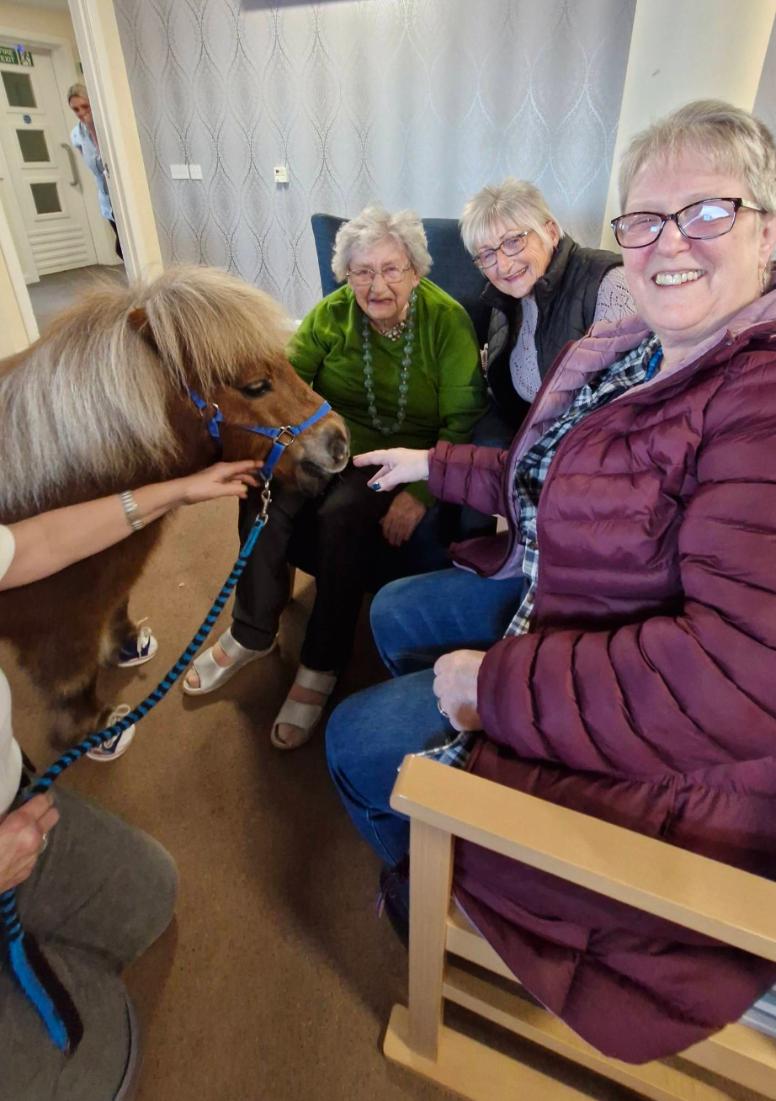
Alongside this, simple forms of cognitive stimulation, such as puzzles, games, or gardening, help keep the mind engaged while encouraging social interaction. Together, these activities create a warm and supportive environment where residents can feel uplifted, involved, and truly valued.
Dementia Care in Dunbar
If you’re looking for exception dementia care in Dunbar, Lammermuir House is here for you. Our secure and compassionate setting has been thoughtfully nurtured to provide the best quality of life for our residents living with dementia. Our caring and knowledgeable team works hand in hand with residents and their families to deliver personalised support, ensuring they feel truly at home and at ease. Please get in touch with our friendly team to learn how we can support you, or arrange a home tour to see our dementia-friendly environment for yourself.