
How To Choose A Care Home For Your Loved One

Choosing a care home for your loved one is rarely a straightforward decision. For many families, it comes at a time when emotions are already running high and there is a lot to consider in a short space of time. The important thing to remember is that the right home will help guide you through the process rather than expect you to know everything upfront. With the right information and a calm, step-by-step approach, the decision becomes much more manageable.
Identifying The Type of Care You Need
A care home can help you understand what level of care is most suitable for your loved one, but it helps to have a basic idea before you start searching. Not every home offers every type of care, so this can help you narrow down your options. Some homes provide more than one type of care under the same roof, offering a continuum of care. This can be reassuring because if someone’s needs change over time, they can stay in a familiar environment and avoid moving homes at an already stressful time.
Residential Care
Residential care is designed for people who need some help with day-to-day living but do not require regular medical support. This might include personal care, meals, medication prompts and general support with routine. It also offers 24-hour reassurance and companionship, which can be especially helpful for people who feel isolated or less confident living at home.
Nursing Care
Nursing care includes the same support as residential care but with additional clinical input. This is provided by registered nurses and is suitable for people with more complex health needs who require ongoing monitoring or medical support.
Dementia Care
As the name suggests, dementia care is tailored for people living with any type of dementia, including Alzheimer’s Disease. The environment and approach are designed to be calm, structured and supportive, helping residents feel safe and understood. Staff are trained to respond to the unique complexities dementia can bring, such as changes in memory, communication and behaviour, in a patient and respectful way.
Palliative Care
Palliative care, sometimes known as end-of-life care, focuses on comfort and dignity for people nearing the end of their life. The aim is to support physical comfort as well as emotional wellbeing, while also supporting families during what can be a very sensitive time.
How to Find a Care Home
Most people begin their search online. A simple search such as “care homes in East Lothian” or “residential care home near me” can be a useful starting point. This helps you build a shortlist of homes to explore further. Once you have a list, spend time looking at each website. Pay attention to the types of care offered, the environment shown in photos and the general feel of the home. This can help you understand whether it may suit your loved one’s personality and needs.
Google Maps can also be helpful if location is important. You can see how close a home is to family members, local amenities or familiar places. For some people, staying connected to their local area is very important, while others may prefer to move closer to family.
Review sites such as carehome.co.uk can also provide helpful insight. These include feedback from residents and families, which can give a more personal view of daily life in a home. While reviews should not be the only factor, they can help highlight common themes. It is also important to check official inspection ratings. In Scotland, this is carried out by the Care Inspectorate, and in England by the Care Quality Commission. These reports assess areas such as quality of care, staffing, leadership and environment, helping you understand how a home is performing overall.
Choosing the Right Care Home for You
Once you have a clearer idea of the practicalities such as care needs and location, it helps to think about daily life. A good care home should feel comfortable, supportive and suited to the individual’s lifestyle.
Start by thinking about what matters most to your loved one. This might include being close to family, maintaining hobbies or having a quiet and calm environment. Facilities and lifestyle should also be considered. If someone enjoys gardening, a safe outdoor space may be beneficial for them. If they like being active and social, look for a home with regular activities and outings. If they prefer quiet time, check that there are calm spaces available where they can relax.
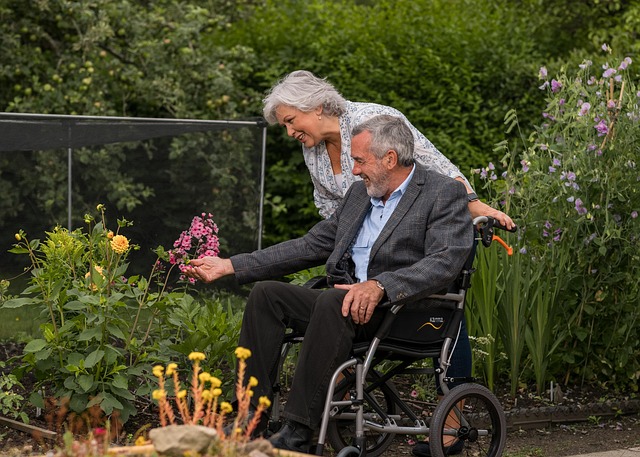
It is also worth asking about person-centred care. This means care is planned around the individual rather than a fixed routine. Care plans should be reviewed regularly (at least every 6 months) to make sure they continue to reflect the person’s needs and wishes. This helps ensure care remains appropriate and respectful over time.
Small details can make a huge difference to wellbeing, so if possible, ask to see activity schedules and menus. These can give a sense of daily life in the home. Mealtimes, social opportunities and routines all contribute to how settled someone may feel.
Signs To Look Out For
Visiting a care home in person is one of the most important steps. It gives you the chance to see the environment, meet staff and get a real sense of how the home feels. Before visiting, it can help to write down questions to ask a care home so you do not forget anything important. You may want to ask about care plans, visiting arrangements, activities, medical support and trial stays.
During the visit, observe how staff interact with residents. Do they speak with kindness and patience? Do residents appear comfortable and engaged? These observations can tell you a lot about the culture of the home. Take time to notice how the home feels overall. Is it calm and welcoming? Does it feel clean and homely? Trusting your instincts is important, especially when making a decision of this significance.
Family involvement is another key factor. Some homes have set visiting hours, while others offer more flexibility. Being able to maintain regular contact with loved ones can make a big difference to a their wellbeing. You may also want to ask whether outings with family are encouraged.
Finally, ask whether trial stays or respite care are available. This can give someone the chance to experience life in the home before making a long-term decision.
Lammermuir House Care Home in East Lothian
Finding the right care home is about more than practical support. It is about feeling confident that your loved one will be treated with dignity, kindness and respect every day. It is also about knowing that you will be supported as a family throughout the decision-making process.
At Lammermuir House Care Home in East Lothian, we understand how difficult this stage can feel. We take time to listen, answer questions and help families explore what type of care may be most suitable. Our approach is calm, personal and centred around the individual, not just their care needs but also their routines, preferences and what makes them feel at home.
If you are beginning to explore care options in East Lothian, Lammermuir House Care Home is here to support you with clear guidance, patience and understanding as you take the next step. Please get in touch today to discuss how our friendly team can support your family.