
Thinking about palliative or end-of-life care for someone you love can feel deeply emotional. On top of this, trying to understand the complexities of the care system can make things even more difficult. The terms ‘End-of-Life Care’ and ‘Palliative Care’ are sometimes used interchangeably, but they actually refer to slightly different ways that a care home or hospice makes your loved one feel safe and cared for.
In this blog, we’ll look at the difference between palliative and end of life care, and what both can provide your loved one.
What Does End of Life Care Mean?
End of life care is the support given to someone who may be in the last weeks or months of their life. Its purpose is to help the individual feel as comfortable and supported as possible, while giving families clear, gentle guidance during this difficult time.
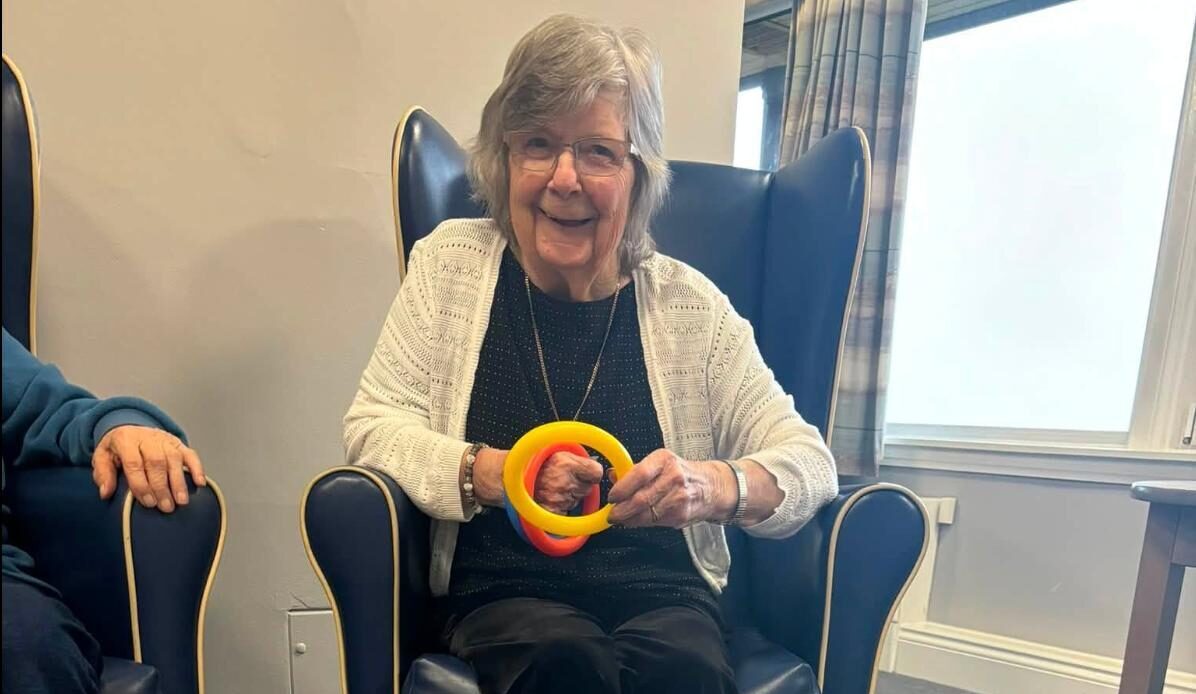
In a care home, end of life care is not only about health needs. It is about knowing the person, understanding what comforts them and keeping familiar routines wherever possible. This might mean quiet time with family, a homely surroundings, music they enjoy or simply having someone nearby who knows how they like things done.
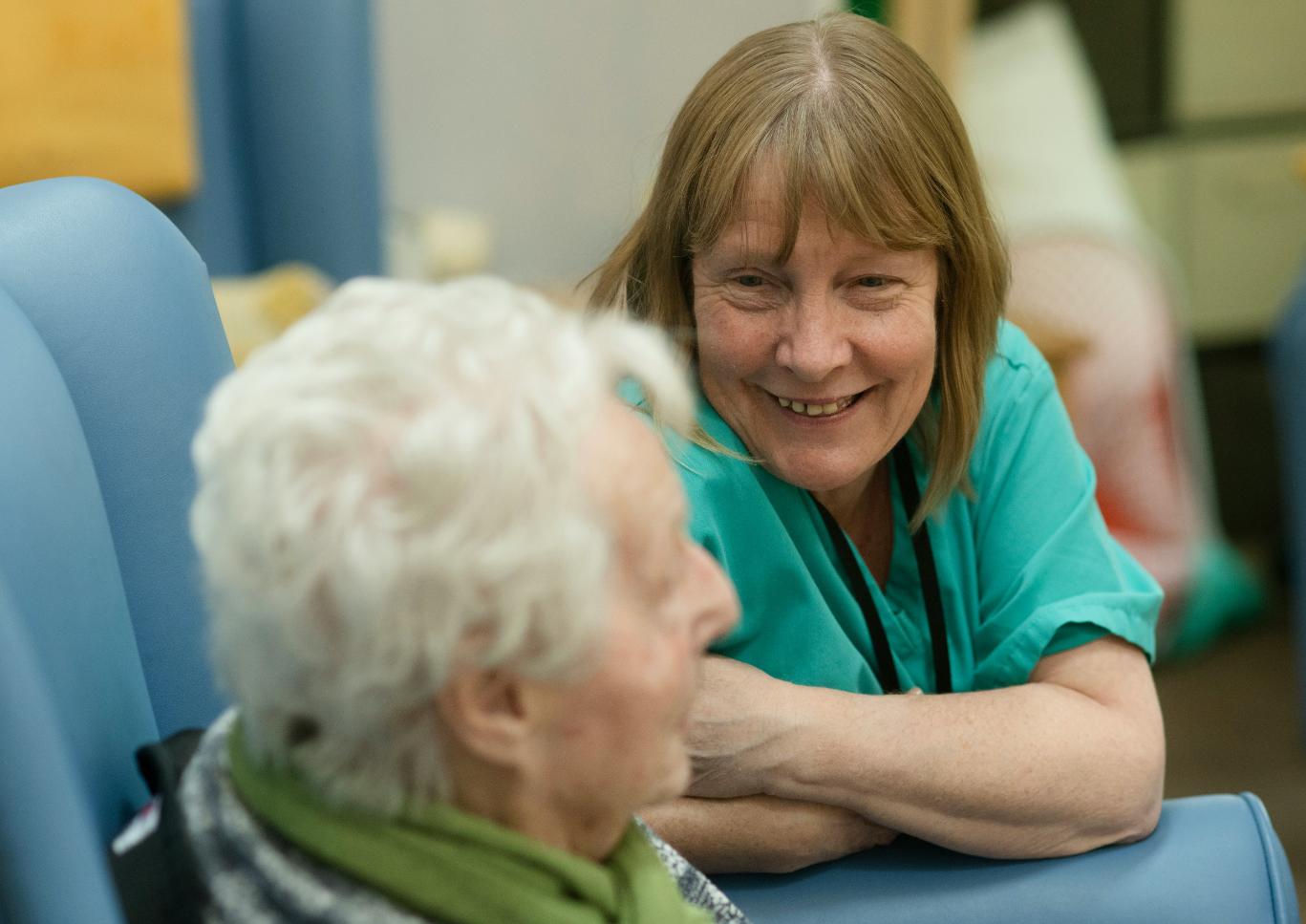
Good care also respects the person’s wishes. Staff work with the resident, their family, healthcare professionals and specialists so that care feels personal and respectful. For families, having experienced people close by can bring reassurance, especially when emotions are high and it is hard to know what to expect.
What is Specialist Palliative Care?
Specialist palliative care supports people living with a serious, progressive or life-limiting illness, with a focus on comfort, dignity and quality of life. This may include help with pain, breathlessness, sickness, tiredness, anxiety or emotional distress.
People may receive palliative care while living with conditions such as cancer, heart failure, lung disease, kidney disease, Parkinson’s disease, motor neurone disease or advanced dementia. Every person’s needs will be different, which is why care should be reviewed regularly and adapted gently as things change.
Palliative care focuses on managing symptoms and improving comfort, rather than trying to cure the condition like nursing care might. However, it can still be provided alongside treatment, therapies or other healthcare support. The aim is not to take away choice, but to make sure the person feels listened to and supported at every stage.
A Holistic Approach to Care
Palliative care is holistic, which means it looks at the whole person, not only their illness. Therefore, it considers physical comfort, emotional wellbeing, personal wishes, family relationships and spiritual needs. For some people, this may mean quiet time, familiar routines and gentle reassurance. For others, it may mean help talking through worries, making future plans or feeling more in control of daily choices.
In a care home, palliative care can be delivered in many everyday ways. This might include home-cooked, nourishing meals that suit the person’s appetite and preferences, support with personal care, help to rest comfortably and time spent doing things they love. Care should be centred around choice wherever possible, from when someone wakes up in the morning to who they spend time with and how they would like their bedroom to feel.

Emotional Support
Specialist palliative care also offers emotional, psychological and spiritual support. Some residents may want to talk openly about how they feel, while others may prefer quiet companionship. Families may also need comfort as they make decisions, prepare for changes or simply try to understand what is happening. Practical help can include planning for the future, discussing wishes and making sure the right people are involved in care decisions.
Palliative care is not only for the final days of life. Many people receive it while they are still enjoying visits, daily routines and quiet moments that matter to them. It is there to help someone live as well as possible, with care that gently changes as their needs change.
When Does Palliative Care Begin?
Palliative care can begin when someone is diagnosed with a serious or life-limiting condition, or when their health changes and they feel they need more comfort-focused support. It does not always mean that someone is very close to the end of life.
Starting palliative care early can give everyone more time to understand the person’s wishes and plan their care carefully. It can also help manage symptoms before they become harder to cope with, which can bring comfort to both the person and their family.
In a care home, staff may notice small changes in appetite, energy, mobility, mood or comfort. These changes can then be discussed gently with the resident, their loved ones and healthcare professionals, so care can be adapted in a thoughtful and timely way.
How Long Does Palliative Care Last?
Palliative care lasts for as long as the person needs it. For some people, this may be a short time near the end of life. For others, it may continue for months or longer, depending on their condition and how their needs change.
There is no single timescale, because every person’s journey is different. The most important thing is that care moves at the person’s pace. Families are kept informed and supported, so they do not feel they are carrying everything alone.
Compassionate Palliative Care in East Lothian
Choosing palliative care for a loved one can bring many emotions. A compassionate care team can help by providing comfort, safety and gentle reassurance for both the resident and their family.
At Lammermuir House Care Home in East Lothian, our team takes time to understand each resident’s needs, wishes and routines. We work closely with families and healthcare professionals to provide calm, compassionate support.
If you are considering palliative care for yourself or someone close to you, please get in touch today. Our team will be happy to answer your questions, talk through your situation and arrange a tour so you can see our welcoming home for yourself. There is no pressure, just a chance to understand the support available and decide what feels right for your family.